U.S. Road Sign Library
Road signs in the United States follow the Federal Highway Administration's Manual on Uniform Traffic Control Devices, which is why a stop sign in Maine and a stop sign in California look identical. Despite the federal standard, every state DMV writes its own knowledge exam, and the percentage of sign questions on the test varies. Permit Prep Hub groups signs into the four families used in nearly every state handbook.
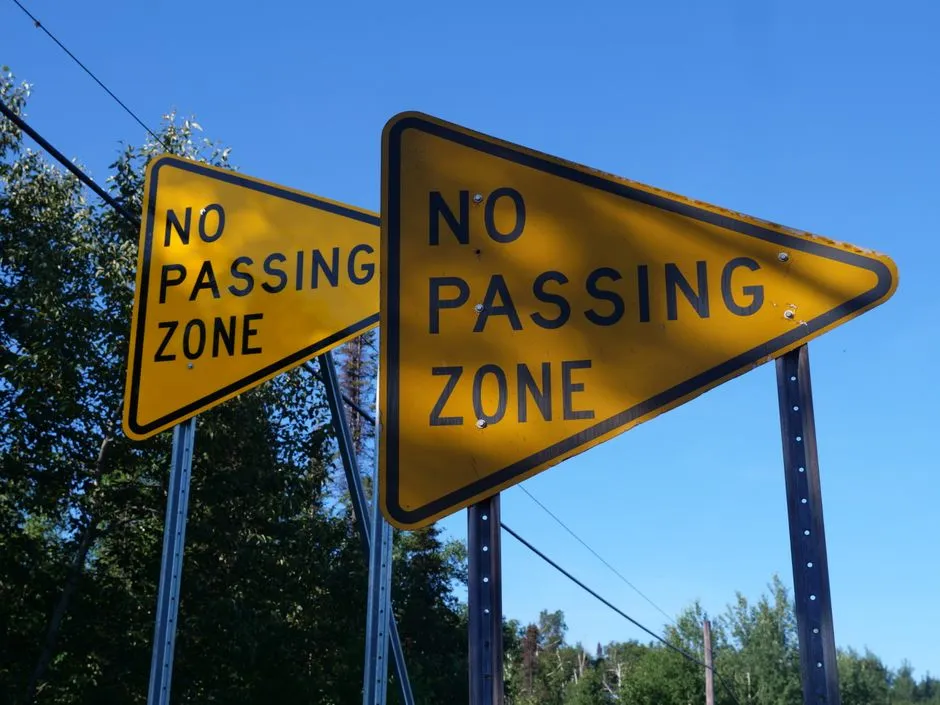
Regulatory Signs
Regulatory signs are typically white rectangles with black or red lettering. They communicate enforceable traffic laws such as stop, yield, no turn on red, do not enter, speed limits, and lane use restrictions. Disobeying a regulatory sign is a moving violation in every U.S. state.
Warning Signs
Warning signs are yellow diamonds with black symbols or text. They warn drivers about conditions ahead such as curves, hills, deer crossings, narrow bridges, intersections, school zones, and slippery surfaces. They are advisory but ignoring them frequently results in crashes.
Guide and Information Signs
Guide signs are usually green and provide directional information for highways, exits, and destinations. Blue signs identify motorist services such as fuel, food, lodging, and rest areas. Brown signs identify recreational and cultural sites.
Sign shape and color reference
If you remember nothing else from your study session, remember the shape and color codes. Most road sign questions on the permit exam show only the shape and color, with the lettering blurred or removed.
- Red: stop, yield, do not enter, wrong way, prohibition
- Yellow: general warning of a condition ahead
- Yellow-green (fluorescent): pedestrian, school, bicycle warning
- Orange: work zone or temporary traffic control
- Green: guide signs, exit numbers, mileage
- Blue: motorist services, accessibility, evacuation routes
- Brown: recreation, cultural, and historic sites
- White: regulatory rules and posted speed limits
- Black: regulatory information such as one way
Why shape and color matter
Drivers do not always have time to read a sign. The brain recognizes shape and color from a distance long before lettering is legible. Federal standards exist precisely so that an octagon means stop whether you are awake, exhausted, blinded by sun, in dense fog, or driving in a state you have never visited. Memorize the shapes first, then the words.
Practice by state
The same federal sign standards apply in every state, but the exam questions about signs are written by your state DMV. Pick your state to drill signs in the context your state's exam uses.