How the U.S. Permit Test Works
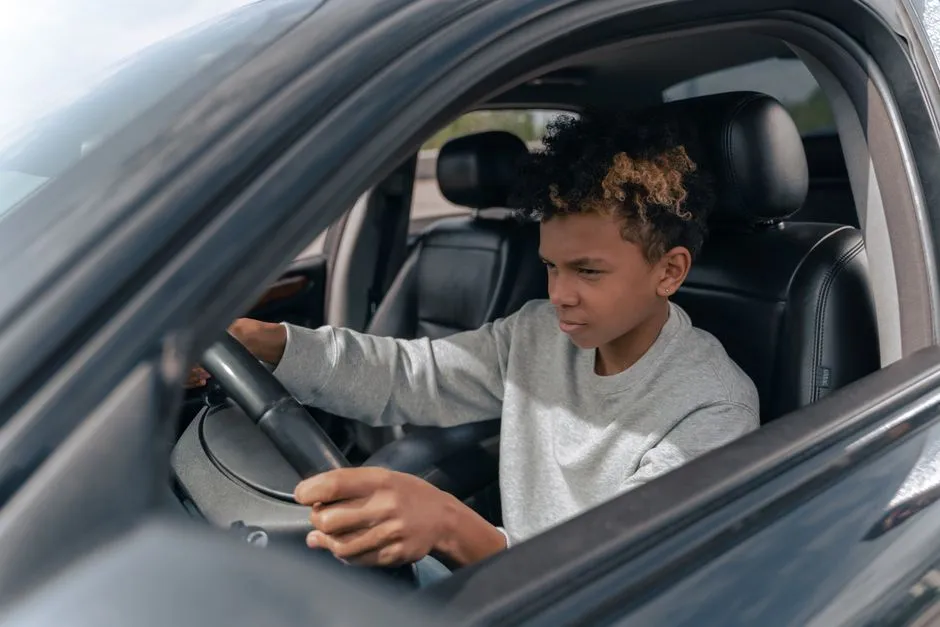
The learner permit knowledge exam is the written or computer-based test you must pass before being allowed to practice driving on public roads in the United States. Every state issues its own permit, but the format and scoring are remarkably similar across all fifty states. This guide walks through what to expect from start to finish.
Eligibility
Most states allow applicants to take the knowledge exam at fifteen years old, with a few permitting it at fourteen and a half and a few requiring sixteen. Adults of any age can apply for a permit. Most states require a parent or guardian signature for applicants under eighteen. You will need proof of identity such as a passport or birth certificate, proof of state residency such as a utility bill, and your Social Security number or proof of legal presence in the United States.
Test format
The knowledge exam is typically twenty to fifty multiple choice or true and false questions delivered on a touch screen at the DMV office. A few states still offer paper exams. Questions are drawn from the state driver handbook and cover the topic areas this site is built around: signs, right of way, speed, alcohol, school zones, parking, intersections, pedestrians and bicycles, emergency vehicles, and railroad crossings. The passing score is generally eighty percent, though it ranges from seventy to eighty five percent depending on the state.
What to bring
Bring two forms of identification, proof of residency, your Social Security number, the application fee in the form your DMV accepts, and any state required course completion certificate. If you wear glasses or contacts, bring them for the vision check. Some offices require an appointment that you must book online in advance.
The day of the exam
Plan to arrive at the DMV at least thirty minutes early. After check-in you will complete the application paperwork, pass a basic vision check, take the knowledge exam at a computer station, and have your photograph taken. The whole process usually takes ninety minutes to two hours including waiting time. You will know your result immediately. If you fail, most states require a waiting period of one to seven days before you may retake the exam.
After you pass
Your learner permit is typically issued the same day. The permit allows you to drive only with a licensed adult in the front passenger seat. Most states impose a holding period of six months to one year before you may take the road test, plus a logged minimum of supervised driving hours. Use the permit period to build real skill, not just to mark time.
Common reasons people fail
The most common reason people fail the knowledge exam is failing to actually study the handbook in any focused way. The second is rushing through familiar-looking questions and misreading the prompt. The third is overconfidence on road signs, which often appear without the words underneath. Use practice tests to expose your blind spots before the real exam exposes them at a cost of forty dollars and a return trip.